Workshops & Sensitisation Campaigns
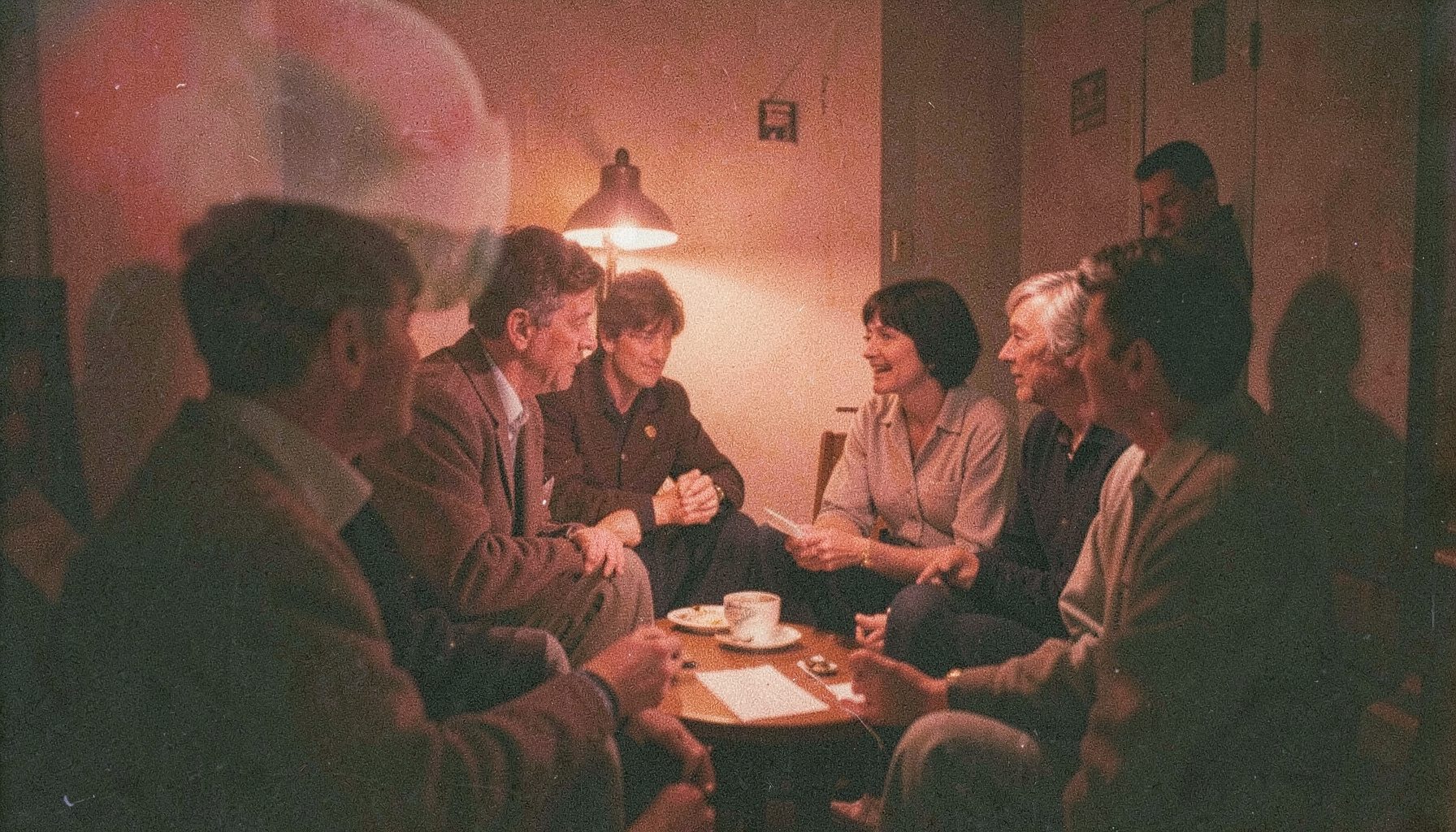
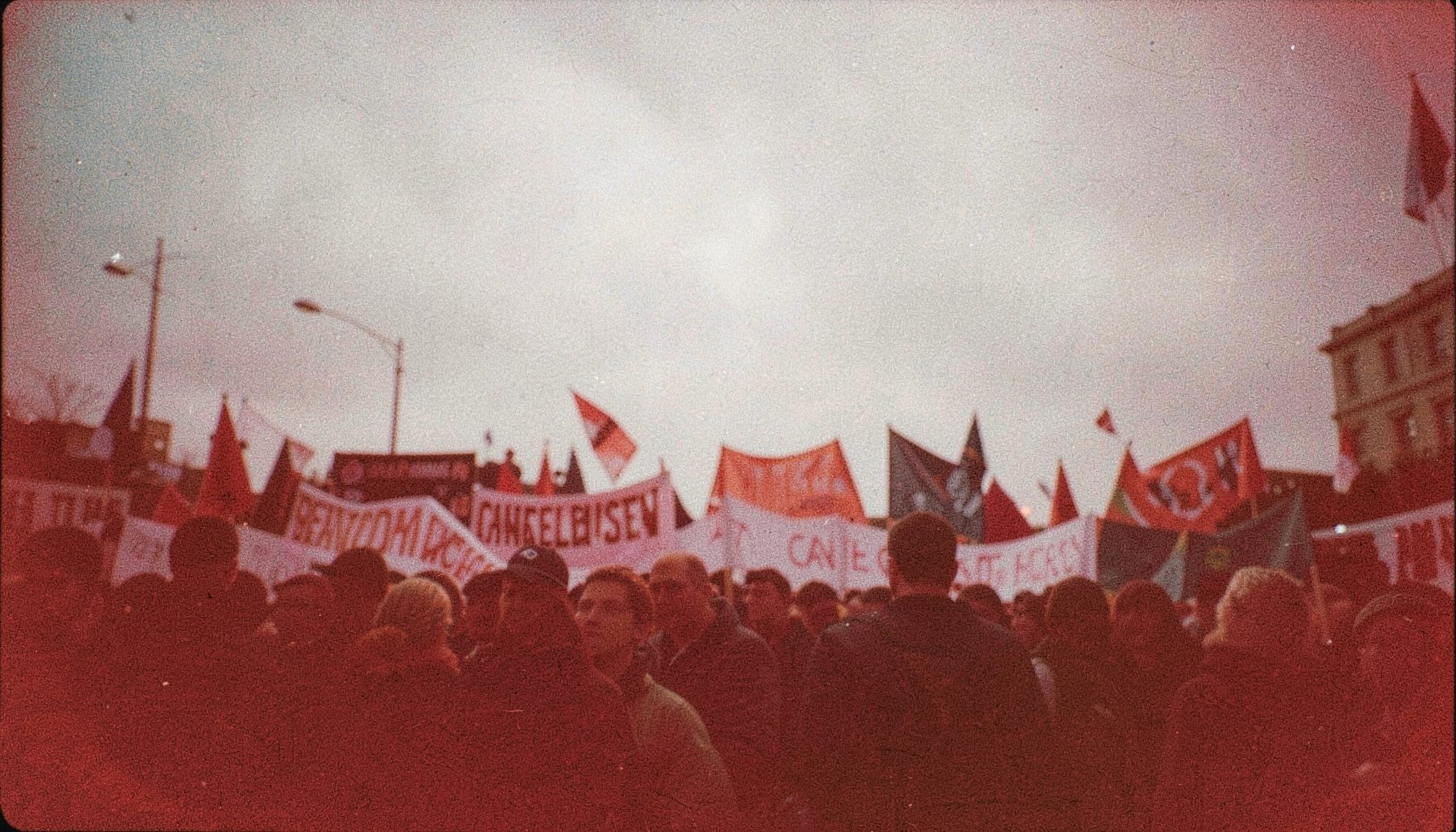
We organise workshops, protests, and sensitisation campaigns around social issues, gender, and sexuality that reach grassroots levels. We have collaborated with numerous organisations and run critically acclaimed programs almost every month — funded by our own pockets and supporters.
We are always open to collaborations with educational institutions and individuals.
View Events
Queerness is not a phase, nor is it a secret to be hidden away until the world feels ready to receive it. Across cultures and centuries, same-sex love and gender diversity have existed as a common human phenomenon, documented by poets, scientists, and ordinary lives alike. Yet mainstream history has often chosen to mute these narratives, erasing the contributions and identities of queer people from the record. Reclaiming that history is an act of resistance — a refusal to let silence stand in for truth.
Growing up queer in India carries its own particular weight. Family expectations, community pressures, and the pervasive influence of majoritarian sentiments can make the simple act of self-recognition feel like a transgression. Many remember the school years as a time of careful self-monitoring, of scanning every word and gesture before letting it out into the world. The closet is not just a metaphor; it is a daily negotiation between survival and authenticity, between the longing to be seen and the fear of what visibility might cost.
The language of identity politics has become strangely hollow in certain circles. Performative wokeness lasts only as long as it is convenient, fading the moment genuine solidarity demands discomfort or sacrifice. Real allyship is not a badge worn on social media but a practice rooted in care, in showing up when the cameras are off, in choosing to be scared alongside someone rather than safe at a distance. A hug offered without calculation, a voice raised when no one is watching — these small acts win something back for the human race.
Annihilating the establishment does not always mean dramatic confrontation. Sometimes it means creating spaces where the establishment's logic simply does not apply — rooms where casteism, sexism, and racism are checked at the door, where queer joy is not a political statement but an ordinary fact. Grassroots organizing builds these rooms one conversation at a time, stitching together a fabric of mutual support that no top-down institution can replicate. In a society that often adjudges queer lives before they are even lived, building a benign alternative is itself a radical leap.
The decriminalization of homosexuality was a landmark judgment, but law alone does not remake a culture. Deep in the memory lane of Indian society, disgust and hatred toward queer bodies have been cultivated for generations, echoing through family dinners, playground taunts, and the silences that fill classrooms when certain topics arise. Changing hearts means confronting those echoes directly — through workshops, through storytelling, through the patient work of sensitization that reaches beyond urban bubbles into the grassroots where prejudice hardens earliest.
Hindutva nationalism has pervaded the consciousness of the average mind with a vision of identity rooted in supremacy. In this framework, queerness becomes a foreign contamination, a betrayal of tradition, something to be answered with suspicion or outright hostility. Yet queer lives have always been woven into the subcontinent's spiritual and cultural fabric, from ancient texts to folk traditions. Recovering those threads is not just an academic exercise; it is a necessary counter-narrative against the simple answer that bigotry offers.
Coming out is rarely a single event. It is a series of moments stretched across a lifetime — a Facebook post, a quiet conversation with a sibling, a poem shared with strangers before it is shared with parents. Each disclosure carries risk, and not everyone chooses the same path. Some queers vote with their presence in spaces that would rather they stayed invisible; others protect themselves through strategic silence. Neither choice is a failure. The only failure belongs to a society that makes such calculations necessary in the first place.
The work of building a queer-affirming world is unglamorous and ongoing. It looks like a workshop in a cramped room, a sensitization campaign that reaches only a handful of people, a protest that does not make the news. It looks like the events page on a small website, updated by volunteers who have spent their day jobs already exhausted. Yet every gathering, every conversation, every resource shared online adds another strand to a hive of solidarity that grows stronger precisely because it is built from below — by those who have no stake in the establishment they seek to annihilate.